
According to the Organization for Economic Co-operation and Development (OECD), 43% of Filipino girls and 53% of boys reported experiencing bullying at least a few times a month—more than twice the OECD average. Filipino students were also more likely to say they felt unsafe in certain areas of their schools.
The consequences reach far beyond hurt feelings. Bullying can affect a child’s attendance, ability to concentrate, academic performance and willingness to participate in school. Research by the Philippine Institute for Development Studies has linked bullying with poorer school performance and stressed that prevention requires more than policies on paper. Schools need systems that can identify problems early and react promptly.
Unfortunately, bullying often continues beyond the classroom.
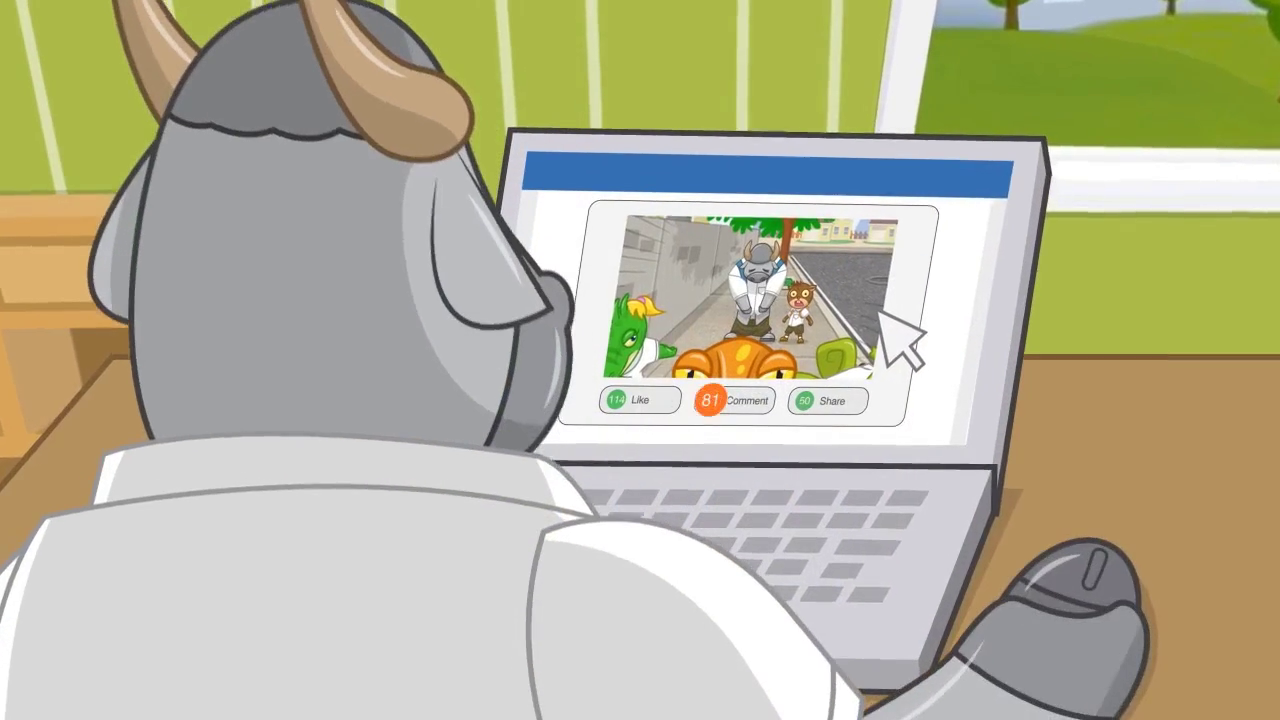
A cruel comment in school could carry on in a group chat. With just a few taps, someone can send a humiliating photograph to hundreds of people. Rumors could spread through social media, while children can be excluded, threatened, or ridiculed through messaging and gaming platforms. In contrast to traditional bullying, there may be no safe distance from cyberbullying when a phone is constantly within reach.
UNICEF defines cyberbullying as repeated behavior using digital technologies to frighten, anger, or shame another person. It can include spreading lies, posting embarrassing photographs or videos, sending abusive messages or making threats online.
For Stairway Foundation, this connection between children’s lives offline and online has become increasingly important.
Prevention Begins Before the Bullying
For many years, Stairway’s advocacy has been grounded in a simple principle: protecting children begins long before harm occurs.
Children must understand their rights, recognize harmful behavior, develop empathy, set healthy boundaries, and know when and where to seek help. At the same time, adults need the knowledge and confidence to listen, intervene, and foster places where children feel safe to speak up.
This also means helping schools and organizations develop strong, practical child protection policies. Stairway supports the design and strengthening of policies that clearly define unacceptable behavior, establish reporting and referral procedures, set responsibilities for adults, and ensure that concerns raised by children are taken seriously. A policy should not simply sit in a handbook. It should guide what happens when a child asks for help.
The same principle is at the heart of Stairway’s Be a Buddy, Not a Bully initiative: it helps children see bullying not simply as a contest between a “bully” and a “victim,” but as something everyone around them can influence.
What can you do when someone is being picked on? What does it mean to stand beside another child? When does teasing stop being funny? What should you do if you see something hurtful happening?
Being a buddy means choosing not to join in, not forwarding the humiliating picture, not laughing at the hurtful joke, and not remaining silent when somebody needs help.
In July, Stairway’s STCU team, led by Kuya Ace Diloy, joined the Department of Education National Safe Schools Summit, where we shared our experience on bullying, online sexual abuse and exploitation, child sexual abuse and exploitation materials, and other cyber-related risks. Stairway also introduced the Be a Buddy, Not a Bully Web App, developed together with DepEd’s Learner Rights and Protection Division.
It is part of a much larger effort to make child protection something children can understand—and something schools and adults can put into practice.
Building CyberSafety Through Stories
Stairway’s CyberSafety films and learning materials approach online protection in much the same way.
Rather than simply telling children, “Don’t do this” or “Stay away from that,” the films use stories and situations children recognize.
Add Friends, Not Strangers explores online friendships, privacy and the risks of communicating with people children do not really know.
Some Things Are Not Worth Sharing deals with intimate images, sexting and sextortion, helping young people understand how quickly something shared privately can move beyond their control.
Red Leaves Falling looks at manipulation, exploitation and the vulnerabilities that can place young people at risk online.
Dude, That’s Not Cool opens conversations about pornography and harmful online content, while For Your Eyes Only addresses the dangers surrounding child sexual abuse and exploitation materials.
Although each resource deals with a different issue, the underlying lessons are closely connected to bullying prevention: respect another person’s boundaries; think before sharing; do not exploit someone else’s vulnerability; speak up when something feels wrong; and seek help rather than facing a problem alone.
These are CyberSafety lessons, but they are also lessons about empathy.
A Shared Responsibility
The Anti-Bullying Act has been in place in the Philippines since 2013, while the Department of Education’s Child Protection Policy requires schools to protect learners from bullying, violence, discrimination and abuse. DepEd has also continued strengthening its response through school Child Protection Committees, counselor training, policy development and the integration of anti-bullying lessons into education.
But policies are only effective when people understand how to use them.
That is why designing child protection policies must go hand in hand with training, awareness and clearly defined procedures. Teachers and school personnel need to know what to do when a child reports bullying or abuse. Parents need information. Children need adults they trust. Schools need safe and accessible ways for concerns to be reported, documented and acted upon.
Children themselves also need opportunities to understand that what they say, post, forward, like or laugh at can either contribute to another child’s humiliation or help stop it.
The distinction between bullying and cyberbullying is becoming less important to a generation whose friendships, conflicts and daily lives move constantly between the physical and digital worlds.
Stairway therefore brings together its work on bullying, children’s rights, CyberSafety, training and child protection policy development to help develop safer environments around children—not only online or in school, but wherever their lives take them.
Help create safer spaces for children
Stairway offers online courses, professional training, educational resources and support in developing child protection policies and safeguarding systems.
For training inquiries or partnerships, contact Stairway Foundation.